

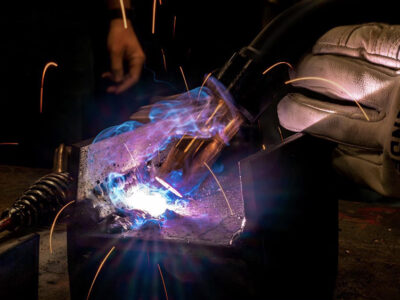
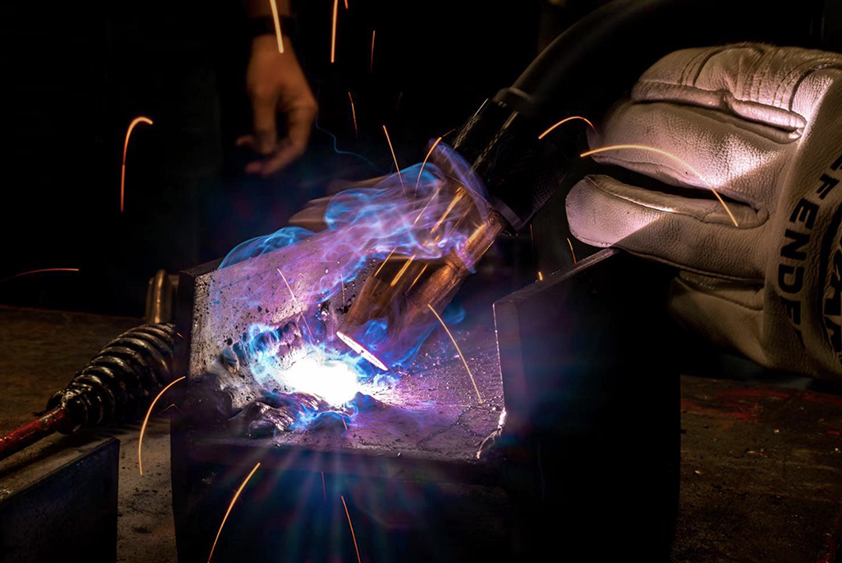
After years of representing people injured on the job, I have learned that losing the ability to work can mean losing far more than income. Many workers take tremendous pride in their craft, their reliability, and the people who depend on them.
Think about the judgment required to troubleshoot machinery, keep a construction site safe, repair electrical systems, or move goods through a supply chain. These are not simply physical tasks. They demand training, experience, attention, and the ability to make decisions when circumstances change.
As artificial intelligence transforms offices, including law firms, it may force us to reconsider some assumptions about which jobs deserve the most recognition.
That is a conversation worth having.
But we should not pretend that physical trades are immune from technological change. Nor should anyone’s dignity depend on whether a machine can perform some portion of their job.
To me, the lesson is more immediate.
The people who build, repair, transport, maintain, and support our communities deserve recognition and respect. Not someday. Today.
And that respect must extend beyond words. It means meaningful training opportunities, safer workplaces, fair compensation, and treating injured workers with dignity when they can no longer perform the jobs they once did.
I welcome innovations that make work more efficient and productive. I also hope they encourage us to recognize the human expertise that has surrounded us all along.
Artificial intelligence may transform the workplace. It should never determine the worth of the worker.
— Bernard D. Nomberg
Inspired by Simon Sinek’s recent reflections on AI and skilled trades.
#ArtificialIntelligence #SkilledTrades #DignityOfWork #WorkersCompensation #WorkplaceSafety
Bernard Nomberg is an Alabama workers’ compensation attorney who is actively building a reputation in the practical application of artificial intelligence to law practice. Bernard is a partner with the Nomberg Law Firm in Birmingham, Alabama.