
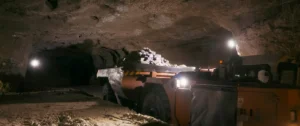
Mining remains one of Alabama’s most important industries—and one of its most dangerous. Whether you work in an underground coal mine, surface mine, quarry, or another mining operation, your job exposes you to hazards that most workers never encounter.
Fortunately, most Alabama miners are covered by workers’ compensation if they’re injured or develop a work-related illness. These benefits are not automatic, though. You’ll need to follow the correct steps to report a work-related injury or illness, and you may encounter issues with your claim, especially if you’re suffering from a condition that developed slowly over time.
If you’ve been hurt in a mining accident or diagnosed with a mining-related lung disease and need help getting the benefits you deserve, schedule a free consultation with the experienced Birmingham workers’ compensation lawyers at Nomberg Law Firm today.
What is the injury rate for mining?
Mining has become safer over the years, but it still remains one of the nation’s most hazardous occupations.
According to the Mine Safety and Health Administration (MSHA), the mining industry’s total recordable injury rate fell to 1.74 injuries per 200,000 hours worked in 2025, the lowest rate ever recorded.
Despite that progress, serious mining accidents continue to occur every year. Miners routinely work around:
- Massive mining machines and conveyor systems
- Falling rock and roof collapses
- Explosives used for blasting
- Heavy haul trucks and loaders
- Confined spaces
- Electrical systems
- Methane and other hazardous gases
- Coal dust, silica dust, and other airborne contaminants
Even a single mistake or equipment failure can leave a miner with life-changing injuries or a permanent lung condition.
What are the most common injuries in mining?
Whether working underground or at a surface mine, miners, mining machine operators, roof bolter operators, haul truck drivers, and other mining workers face the risk of serious injuries and occupational illnesses.
Some of the most common mining injuries and illnesses include:
- Crush injuries and amputations caused by massive mining equipment, conveyor systems, and heavy haul trucks
- Falls from equipment or elevated work areas
- Broken bones, brain injuries, and spinal cord injuries caused by falling rock, roof collapses, or being struck by moving equipment or falling materials
- Respiratory illnesses, including black lung disease (coal workers’ pneumoconiosis), berylliosis, silicosis, chronic obstructive pulmonary disease (COPD), occupational asthma, and certain respiratory cancers caused by long-term exposure to coal dust, silica dust, and other airborne contaminants
- Electrical burns and electrocution involving energized equipment and electrical systems
- Burn and fire-related injuries caused by explosions
- Asphyxiation and poisoning caused by methane, carbon monoxide, and other hazardous gases in confined spaces
- Hearing loss caused by prolonged exposure to loud mining equipment and machinery
- Repetitive stress injuries affecting the back, shoulders, knees, and hands from repetitive lifting, awkward postures, and operating vibrating equipment
As you can see, workers’ compensation doesn’t only cover sudden accidents. Occupational diseases that develop after years of workplace exposure may also qualify for benefits. Likewise, if your work significantly aggravated a pre-existing condition, you may be eligible for workers’ compensation benefits under Alabama law.

Understanding Alabama Workers’ Compensation Benefits
Learn which benefits you may be entitled to after a work injury or illness in Alabama.
Do miners still get black lungs?
Yes. Although workplace safety has improved significantly over the past several decades, black lung disease remains a serious concern for coal miners.
Black lung, formally known as coal workers’ pneumoconiosis (CWP), develops after prolonged inhalation of coal mine dust. Over time, the dust causes permanent scarring of the lungs, making it increasingly difficult to breathe.
The disease often progresses slowly. Many miners experience few symptoms early on but later develop:
- Chronic coughing
- Shortness of breath
- Chest tightness
- Reduced exercise tolerance
- Permanent respiratory disability
In severe cases, black lung can progress into progressive massive fibrosis (PMF), the most advanced and debilitating form of the disease. Because lung damage caused by black lung is permanent, early diagnosis and treatment are critical.
How bad is coal dust for your lungs?
Coal dust is one of the most serious long-term hazards miners face. Every shift, miners may inhale microscopic dust particles generated during drilling, blasting, cutting, crushing, and transporting coal. Over time, these particles can become trapped deep inside the lungs, causing inflammation and permanent scarring.
Long-term exposure to coal dust can lead to serious respiratory diseases, including:
- Black lung disease (coal workers’ pneumoconiosis)
- Chronic bronchitis
- Chronic obstructive pulmonary disease (COPD)
- Progressive massive fibrosis
One of the biggest challenges is that symptoms often don’t appear until years after repeated exposure. By the time breathing problems develop, permanent lung damage may already have occurred.
If you’ve been diagnosed with a coal dust-related lung disease, you should speak with a local Alabama work injury attorney who can help you understand whether you may qualify for workers’ compensation or other available benefits.
What rights do miners have in the workplace?
Mining is regulated by the federal Mine Safety and Health Administration (MSHA), which enforces safety and health standards designed to protect miners from preventable injuries and illnesses.
Under the Federal Mine Safety and Health Act, miners have several important rights, including the right to:
- Receive required health and safety training during regular working hours
- Report unsafe working conditions or health hazards without fear of retaliation
- Request an MSHA inspection if they believe a dangerous condition or safety violation exists
- Participate in mine safety inspections and investigations
- Refuse work they reasonably believe presents an imminent danger after notifying the mine operator or supervisor of the unsafe condition
- Receive information about workplace hazards and required safety procedures
If you believe your employer is violating federal mine safety standards or exposing miners to hazardous conditions, you can submit an online Hazardous Condition Complaint form to MSHA to request an inspection.
You may also contact your local MSHA district office. If requested, MSHA will keep your identity confidential.
Federal law also prohibits mine operators from firing, demoting, intimidating, reducing a miner’s pay, or otherwise discriminating against workers for:
- Reporting safety concerns
- Requesting an inspection
- Refusing unsafe work under circumstances protected by the Mine Act
If your employer retaliates against you for exercising your rights, you should file a discrimination complaint with MSHA and speak with a Birmingham employment law attorney as soon as possible. In most cases, miners have 60 days from the alleged retaliation to file a complaint with MSHA.

Alabama Workers’ Comp Settlements: When & Why They Happen
Learn when workers’ comp might offer a settlement, how long it takes, and who benefits most so you can make informed decisions about your workers’ comp claim.
Are miners in Alabama eligible for workers’ comp after an injury or illness on the job?
In most cases, yes. Alabama law generally requires employers with 5 or more employees (not independent contractors) to provide workers’ compensation insurance for their employees.
Workers’ compensation is also a no-fault system, so even if you made a mistake that contributed to your accident, you may still be eligible for benefits for medical treatment, wage loss, and permanent disability. To qualify for these benefits, you’ll need to show that your injury or occupational illness arose out of and occurred during your employment.
For traumatic injuries, this connection is often straightforward. Medical records, accident reports, witness statements, photographs, and other evidence can help establish that a roof collapse, machinery accident, explosion, fall, or other workplace incident caused your injuries.
Occupational diseases can be more challenging because they often develop gradually over many years. However, that does not mean they aren’t covered.
Certain illnesses—including black lung, silicosis, berylliosis, and other respiratory diseases—are well recognized as mining-related conditions. Employment records, medical testing, exposure history, and expert medical opinions can often establish that these illnesses resulted from years of working in the mines.
Can I get workers’ comp for a lung disease if I no longer work in a mine?
Yes, it’s possible.
Many occupational lung diseases don’t appear until years—or even decades—after a miner leaves the industry. It’s not uncommon for retired miners or miners who have moved into another occupation to develop breathing problems long after their exposure to coal dust, silica, beryllium, or other hazardous substances has ended.
If you’ve been diagnosed with an occupational lung disease such as silicosis, berylliosis, COPD, or occupational asthma, you may still be eligible for Alabama workers’ compensation if your condition can be linked to your employment.
Black lung disease (coal workers’ pneumoconiosis) is different.
Eligible coal miners diagnosed with black lung may qualify for benefits through the Federal Black Lung Benefits Program, a separate federal program that provides compensation and medical benefits to miners disabled by the disease.
Because occupational disease claims often involve different medical evidence, legal requirements, and filing deadlines than one-time accident claims, it’s best to speak with a Birmingham workers’ comp attorney as soon as you’re diagnosed.
They can help determine whether you may qualify for Alabama workers’ compensation, federal black lung benefits, or both, depending on your circumstances.
How do I file an Alabama workers’ comp claim if I’m injured in a mine?
If you’re injured while working in an Alabama mine, follow these steps to protect your right to workers’ compensation benefits.
- Seek medical treatment immediately from an authorized treating physician. You should ask your employer for a list of approved doctors.
- Report your injury or illness to your employer in writing as soon as possible. For traumatic injuries, Alabama law generally requires notice within 5 days when possible and no later than 90 days after the injury. For occupational diseases, such as black lung, silicosis, and other mining-related lung diseases that aren’t diagnosed until years after repeated exposure, you should notify your employer as soon as you discover—or reasonably should have discovered—that your condition may be work-related.
- Follow up to make sure your employer files a First Report of Injury to begin the workers’ compensation process.
If you need help filing your claim or appealing a denied claim, visit a local work injury law firm in Birmingham to discuss your case.
Suffering from a mining injury or illness and need help with your workers’ comp claim?
A serious mining injury or occupational disease can affect your health, your ability to work, and your family’s financial future. The experienced Birmingham workers’ compensation attorneys at Nomberg Law Firm have spent more than 50 years helping injured Alabama mine workers pursue the full benefits they deserve.
If you suffered a catastrophic injury or lost a loved one in an Alabama mine, contact the team at Nomberg Law Firm today for a free consultation to learn how we can help protect your rights and maximize your workers’ compensation claim.