
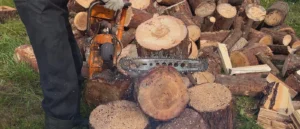
Logging is one of the most dangerous jobs in the country, and as one of the largest lumber production states, Birmingham, Alabama, is no exception. With heavy machinery, unpredictable terrain, and towering trees, logging workers face serious risks every day that can lead to devastating consequences, including catastrophic injuries and fatalities.
If you’re working in the logging industry, understanding these risks is the first step in protecting yourself. But knowing your rights—including the steps to file for workers’ compensation—can make all the difference when accidents happen.
This article will break down what you need to know about filing for workers’ comp after a logging injury. If you have additional questions or want help with your claim, reach out to our experienced Birmingham work injury lawyers to schedule a free consultation.
What’s involved in logging?
Logging entails cutting down trees and preparing them for use in industries like construction, paper production, and furniture making. It’s physically demanding work that involves chainsaws, heavy machinery, and challenging outdoor conditions.
Loggers chop down trees, remove branches, and transport the timber, often working in remote locations where medical help is not easily accessible, increasing the risk of otherwise treatable injuries becoming deadly.
Alabama is the fourth-largest lumber producer in the United States, employing 54,265 people and providing about $8 billion in total annual labor income. The state’s forestry industry also contributes $36 billion annually to Alabama’s economy, according to a 2024 report by Alabama Daily News.
What are the dangers of logging?
Loggers in Alabama and across the U.S. face numerous job hazards due to the nature of the work and the environments in which it’s performed. Key hazards include:
- Falling trees and limbs. This is a primary danger. Trees can fall unexpectedly due to wind, unseen rot, or improper cutting techniques. Limbs can break off and fall from standing trees. These incidents can lead to traumatic brain injuries, fractures, internal injuries, and even fatalities.
- Heavy equipment operation. Buckers, tree climbers, and fallers use chainsaws, skidders, loaders, and other heavy machinery that can cause crushing injuries, amputations, and severe lacerations if not operated carefully. Equipment can also malfunction, leading to accidents.
- Working at heights. Climbing trees to top them (removing the crown) or working on log piles involves the risk of falls. Falls can result in broken bones, spinal cord injuries, and brain bleeds.
- Rolling logs. Logs can roll unexpectedly, especially on uneven terrain. This can cause crushing injuries, fractures, and internal injuries.
- Respiratory irritants. Prolonged exposure to sawdust and other airborne particles can cause respiratory problems, including chronic bronchitis, asthma, and other lung diseases. These issues can develop over time and significantly impact a logger’s health and ability to work.
- Environmental hazards. Loggers work outdoors in all types of weather, facing risks from heatstroke, hypothermia, insect bites, and poisonous plants. They may also encounter wildlife, which can pose an added threat.
- Manual labor. The physical demands of logging, including lifting, carrying, and using hand tools, can lead to overexertion injuries like strains, sprains, and other musculoskeletal issues. Repetitive motions can also cause long-term problems like carpal tunnel syndrome and vibration white finger.
Raising awareness about the dangers of logging is crucial for preventing accidental injuries and minimizing risks. Employers must ensure their workers receive proper training, use well-maintained equipment, and wear protective gear such as helmets and high-visibility clothing.
Injuries can still occur despite taking precautions, making it vital to understand your right to compensation after a logging accident.
What is the death rate for loggers?
According to the Bureau of Labor Statistics (BLS), in 2023, the fatal injury rate for logging workers was 98.9 per 100,000 full-time equivalent workers, about 28 times the all-worker rate of 3.5 per 100,000.
This alarmingly high fatality rate underscores the critical importance of stringent safety measures and protocols within the industry. It also highlights the absolute necessity of workers’ compensation insurance to protect these workers and their families in the event of a devastating injury or death on the job.

Alabama Workers’ Comp Settlements: When & Why They Happen
Learn when workers’ comp might offer a settlement, how long it takes, and who benefits most so you can make informed decisions about your workers’ comp claim.
Do loggers qualify for workers’ comp benefits after an injury in Alabama?
Yes, loggers in Alabama typically qualify for workers’ compensation benefits after a work-related injury, illness, or occupational disease, as long as they are employees of an employer with 5 or more employees. It’s important to understand the distinction: independent contractors are generally not covered by workers’ compensation, so you must be an employee to qualify.
Workers’ compensation is a “no-fault” system, meaning that benefits are generally provided regardless of who is at fault for the accident, as long as the injury or illness is job-related.
Eligible loggers can receive a few different types of workers’ comp benefits that cover a range of needs, including all necessary medical treatment, lost wages, compensation for permanent disabilities, vocational rehabilitation to help them return to work, and death benefits for families in the tragic event of a workplace fatality.
How long do you have to report an injury at work in AL?
In Alabama, if you get injured at work, you should inform your employer immediately—ideally, within 5 days of the accident. If that’s not possible, you may have up to 90 days to report it in some instances. If you fail to report your injury within this time frame, you risk losing your eligibility for workers’ compensation benefits.
After you report your injury, your employer must submit a First Report of Injury form to begin the workers’ comp claim process.
If your claim is denied or you believe you’re not being offered the money you deserve, reach out to a local Birmingham workers’ compensation attorney who can help you get the benefits you’re entitled to.
Were you injured in the Alabama logging industry? We can help maximize your benefits!
If you or a loved one suffered a catastrophic injury or fatality while working in the logging industry, you don’t have to face the workers’ compensation process alone. The dedicated Alabama workers’ compensation attorneys at Nomberg Law Firm are here to make sure you get the full compensation you’re entitled to.
Accidents that result in long-term or permanent injuries require significant compensation to cover ongoing medical care and lost future earnings. Calculating the true value of your claim can be complex, and insurance companies often try to minimize payouts.
You need an experienced attorney on your side to accurately assess the full extent of your damages and aggressively negotiate with the insurance company to get the compensation you need to support yourself and your family.
Don’t leave money on the table—contact Nomberg Law Firm today for a free consultation to learn how we can help with your claim.
References
Bureau of Labor Statistics. (2023). Civilian occupations with high fatal work injury rates. Bureau of Labor Statistics. https://www.bls.gov/charts/census-of-fatal-occupational-injuries/civilian-occupations-with-high-fatal-work-injury-rates.htm
Bureau of Labor Statistics. (2024, August 29). Logging Workers. Bureau of Labor Statistics. https://www.bls.gov/ooh/farming-fishing-and-forestry/logging-workers.htm
Data USA. (2022). Logging workers | Data USA. Datausa.io. https://datausa.io/profile/soc/logging-workers
Sell, M. (2024, August 5). Report: Forestry a $36 billion industry in Alabama. Alabama Daily News. https://aldailynews.com/report-forestry-a-36-billion-industry-in-alabama/