
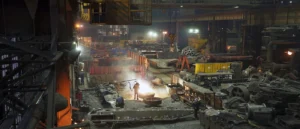
Working in a Birmingham foundry is tough. You put in long, grueling hours, and sometimes that work takes a toll on your body. Whether it’s a burn, a crush injury, or something that’s been building up for years, you shouldn’t have to fight for the medical care and financial support you’re entitled to during your recovery.
Workers’ comp is there to pay for medical costs, lost pay, and more, but insurance companies often drag their feet, deny claims, or lowball workers—especially for catastrophic injuries that require long-term care or occupational diseases that develop slowly over time.
If you’re struggling to get the benefits you deserve after a work injury in Alabama, it’s crucial to seek the advice of an attorney who specializes in work injury claims who can explain your rights and help you build a strong case.
At Nomberg Law Firm, our experienced Birmingham workers’ compensation attorneys don’t back down when it comes to fighting for injured workers. We know the tactics insurance companies use and how to push back to get you the full benefits you deserve. Schedule a free consultation today to get the help you need.
What are the risks of foundry work?
Is foundry work dangerous? Yes, there’s no question.
According to the U.S. Bureau of Labor Statistics (BLS), 11 foundry workers died on the job in 2022 alone, 4 from exposure to harmful substances or environments and 5 from contact with objects or equipment. The causes of the other 2 deaths were not reported.
The BLS also reported that the injury rate for foundry workers in 2023 was 5.3 per 100 full-time workers. That’s almost double the rate for workers in all industries, which was only 2.7.
So, what are the main causes of injuries in foundries?
Common foundry hazards include:
- Burns from molten metal. Foundry workers like furnace operators, metal pourers, and molders often work with metals that reach 2,000°F or higher. One slip, a shaky ladle, or a splash, and you’re looking at severe burns. Even approved protective gear offers little protection from temperatures like these.
- Falls and slips. Foundries are filled with greasy floors, scattered debris, and metal shavings, making fall-related injuries like spinal cord injuries and brain injuries especially common for workers pouring metal or moving materials.
- Amputations and severe lacerations. Grinding, cutting, and finishing jobs require working with high-powered saws, grinders, and shears, which can result in severed fingers, deep cuts, or amputations if machines are not properly guarded.
- Hearing loss. Constant exposure to loud machinery, hammering, and metal-on-metal noise put many foundry workers at high risk of permanent hearing damage, even with ear protection.
- Crushing injuries. Machine operators, mold technicians, and maintenance workers are at risk of broken bones, internal organ damage, and even death if they get caught in or crushed by heavy machinery, conveyor belts, or industrial presses used in the casting and molding process.
- Eye and face injuries. Metalworkers, grinders, and welders often deal with flying metal shards, sparks, or hot slag, putting them at risk for serious eye damage or facial injuries if protective shields or goggles aren’t used.
- Back and musculoskeletal injuries. Pattern makers, core makers, and general laborers frequently lift and carry heavy molds, tools, and raw materials, leading to strained backs, herniated discs, and repetitive motion injuries (like tendonitis) over time.
Working in a foundry means constant exposure to heavy equipment, extreme heat, and dangerous materials—all of which can cause life-changing injuries. If you’ve been hurt on the job in Birmingham, make sure you understand your rights so you don’t miss out on the benefits you deserve.

Why You Should Hire an Alabama Workers’ Compensation Attorney
Learn why these signs might mean it’s time to hire a workers’ comp attorney to help with your claim.
What diseases do foundry workers get?
In addition to injuries, foundry workers are also at risk of developing occupational diseases and illnesses from long-term exposure to toxic materials. Below are some of the most common diseases caused by foundry work:
- Silicosis. Breathing in silica dust from sand molds and grinding metal can scar the lungs, making it hard to breathe. Symptoms include chronic cough, shortness of breath, and chest pain. This disease is irreversible and tends to worsen over time.
- Lung cancer. Exposure to toxic substances like silica dust, asbestos, chromium, and cadmium can increase the risk of lung cancer. These harmful materials can cause cell mutations and long-term respiratory damage.
- Metal fume fever. Inhaling zinc, copper, or magnesium fumes from welding and casting can cause flu-like symptoms, including fever, chills, muscle aches, and a metallic taste in the mouth. Though temporary, repeated exposure can lead to more serious lung conditions.
- Chronic respiratory infections. Continuous exposure to foundry dust and fumes can cause ongoing lung inflammation, leading to persistent cough, mucus buildup, and frequent respiratory infections.
- Chronic obstructive pulmonary disease (COPD). Long-term exposure to metal fumes, foundry dust, and chemicals can lead to chronic bronchitis and emphysema, making it difficult to breathe and perform everyday activities.
- Occupational asthma. Foundry workers are exposed to chemical fumes and airborne irritants that can cause or worsen asthma. Symptoms include wheezing, coughing, chest tightness, and difficulty breathing.
- Lead poisoning. Foundry workers handling lead-based alloys or exposed to lead dust and fumes can suffer from nerve damage, cognitive issues, joint pain, and kidney damage. Because symptoms can be mistaken for other illnesses, work-related lead poisoning is often underdiagnosed.
Foundry workers often don’t realize the long-term effects of workplace exposure until years later, making it harder to prove a direct connection to their jobs. If you’re experiencing breathing issues, neurological symptoms, or any other health concerns, it’s critical to seek medical care for a diagnosis and treatment.
OSHA issues a fine after the tragic death of an Alabama foundry worker
A 38-year-old foundry worker at Cullman Casting Corp. in Cullman, Alabama, suffered fatal injuries on August 31, 2023, after getting pinned inside a molding machine used to produce forklift counterweights.
According to a Department of Labor press release, the worker, a second-shift production supervisor, was attempting to adjust plastic film on the machine when it unexpectedly cycled, trapping them between moving components.
An OSHA investigation determined that the fatal accident could have been prevented if the company had properly followed lockout/tagout safety procedures to ensure the machine was de-energized before maintenance. OSHA found that Cullman Casting repeatedly exposed workers to hazardous conditions, including:
- Failure to develop written lockout/tagout procedures
- Failure to conduct safety inspections
- Failure to provide training
- Failure to ensure machine guarding was in place
As a result, OSHA cited the company for 6 serious violations and proposed $95,981 in penalties. The agency emphasized that ignoring safety protocols in industrial settings can lead to severe and preventable consequences, including loss of life.
Are Alabama foundry workers entitled to workers’ comp?
Yes. If you’re a foundry worker in Alabama, you are entitled to workers’ compensation benefits as long as you’re classified as an employee (not an independent contractor) and work for a company with 5 or more employees.
If you take the necessary steps to file a work injury claim and it’s approved, you may be eligible for the following types of workers’ comp benefits:
- Medical benefits. Covers doctor visits, hospital stays, medications, surgeries, and any other necessary treatments for your work-related injury or illness.
- Wage loss benefits. If your injury prevents you from working, workers’ comp provides partial wage replacement while you recover.
- Vocational rehabilitation. If you can’t return to your old job, you may qualify for job retraining or assistance finding new work.
- Death benefits. If a foundry worker dies due to a job-related injury or illness, dependents may receive compensation and coverage for funeral expenses.
Workers’ comp is a no-fault system, meaning you don’t have to prove your employer was negligent to get benefits—you just need to show that your injury or illness is directly related to your job.
While sudden accidents like burns or broken bones are easier to prove, conditions that develop over time, such as lung disease from silica dust or hearing loss from loud machinery, can be more challenging. Insurance companies may try to argue that your job isn’t the cause, making it harder to get your benefits approved.
That’s why working with a local Alabama workers’ compensation attorney is critical. They can help gather medical evidence and consult with medical and vocational experts to prove your condition is work-related, often preventing denied workers’ comp claims from ever happening.
If you’re injured on the job in Alabama, you must notify your employer in writing within 5 days—even if they already know about it. Failing to report within 90 days will result in an automatic denial of your workers’ comp claim, unless you were physically or mentally unable to do so.
Exception: If you develop an occupational disease (like lung disease from silica dust), the reporting deadline starts when you’re diagnosed or should have reasonably known your condition was work-related.
Injured in a foundry in Alabama? We can help!
For over 50 years, the dedicated Birmingham work injury lawyers at Nomberg Law Firm have been fighting for injured workers across Alabama to ensure they get the full workers’ compensation benefits they deserve. Foundry work is demanding, and when serious injuries or occupational illnesses threaten your health, livelihood, and future, you need trusted legal advocates who won’t let insurance companies shortchange you.
Contact Nomberg Law Firm today for a free consultation and let us help you get the compensation you’re rightfully owed after an on-the-job injury.
References
TABLE 1. Incidence rates of nonfatal occupational injuries and illnesses by industry and case types, 2023. (n.d.). www.bls.gov. https://www.bls.gov/web/osh/table-1-industry-rates-national.htm
TABLE A-1. Fatal occupational injuries by industry and event or exposure, all United States, 2022 : U.S. Bureau of Labor Statistics. (n.d.). www.bls.gov. https://www.bls.gov/iif/fatal-injuries-tables/fatal-occupational-injuries-table-a-1-2022.htm
US Department of Labor finds Alabama forklift parts manufacturer could have prevented 38-year-old foundry worker’s fatal injuries. (2025). DOL. https://www.dol.gov/newsroom/releases/osha/osha20240321-0