
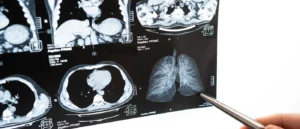
If you suffered internal bleeding or organ damage in a crash in Birmingham—whether it was a car wreck, motorcycle accident, truck collision, or pedestrian accident—you may be facing a long and uncertain recovery.
These are serious injuries that often require emergency surgery, extended hospital stays, and months of follow-up care. But beyond the medical challenges, many injury victims are left wondering: Who’s going to pay for all of this? And how do these kinds of injuries affect the value of my personal injury claim?
In this article, we’ll break down what you need to know about internal injuries caused by someone else’s negligence, how they’re treated by insurance companies, and what steps you can take to protect your right to full compensation.
If you have questions about your case or would like help filing a claim, contact the knowledgeable Birmingham personal injury attorneys at Nomberg Law Firm to schedule a free consultation. We have more than 50 years of experience standing up for injury victims across Alabama.
What happens to your organs in a car crash?
In a serious car crash, your internal organs can suffer damage even if there are no visible injuries. That’s because the force of the impact doesn’t just affect your skin and bones—it can jolt, crush, or compress the organs inside your body.
Organ damage can occur in a few different ways during a vehicle accident:
- Blunt force trauma. This occurs when your body hits something hard, like the steering wheel, dashboard, or seatbelt. The sudden impact can bruise or tear organs like the liver, spleen, kidneys, or lungs.
- Deceleration injuries. In a high-speed collision, your body may stop suddenly, but your organs keep moving for a split second. This can cause organs (most commonly the brain) to tear or detach internally—especially in head-on car accidents.
- Penetrating trauma. Sharp objects like shattered glass or twisted metal can pierce the body, directly injuring internal organs and causing internal bleeding. These injuries are less common but extremely dangerous.
Below are some types of accidents that are more likely to cause internal injuries and bleeding:
- T-bone collisions. These side-impact crashes often strike the driver or passenger directly, leaving less protection from the vehicle’s frame and increasing the risk of organ damage.
- Head-on collisions. The intense forward motion and sudden stop can cause internal organs to slam against the chest wall, spine, or skull, leading to severe trauma.
- Rollover crashes. These violent accidents can throw passengers around the cabin or cause crushing injuries, especially if seatbelts aren’t properly worn.
- Motorcycle and pedestrian accidents. Without the protection of a vehicle, riders and pedestrians are vulnerable to full-body impacts that can easily damage vital organs.
Internal organ damage can be life-threatening and may not show symptoms right away. That’s why it’s critical to seek immediate medical care after any serious crash—even if you feel “okay” at first.

Understanding the Burden of Proof in Alabama Civil Cases
Learn how the burden of proof impacts your ability to get compensation in a Birmingham personal injury case.
Which organs are most likely to be damaged in a car accident?
Certain internal organs are especially vulnerable during a vehicle accident due to their size, location, and sensitivity to force. The most commonly damaged organs include:
- Liver. Located in the upper right abdomen, the liver is large and relatively unprotected, making it one of the most frequently injured organs in high-impact crashes. It can tear or rupture from blunt trauma.
- Spleen. Found on the upper left side of the abdomen, the spleen is highly vascular (full of blood). It’s prone to rupture during a side impact or if the body is compressed—often requiring emergency surgery.
- Lungs. Chest trauma from a seatbelt, airbag, or steering wheel can bruise or puncture the lungs. This may lead to a collapsed lung (pneumothorax) or internal bleeding into the chest cavity.
- Kidneys. Located toward the back of the abdomen, the kidneys can be injured in rear-end collisions or when the lower back strikes something hard. Kidney trauma can cause blood in the urine and long-term complications.
- Heart and aorta. In very high-speed or head-on crashes, the force can affect the heart or tear the aorta (the body’s main artery). These are among the most serious internal injuries, often leading to fatalities and wrongful death.
- Intestines and bowels. A violent blow to the abdomen can damage the intestines, leading to internal bleeding or infection. These injuries may not be immediately obvious but can worsen over time.
- Brain. The brain is highly vulnerable in crashes—especially from sudden deceleration or impact. This movement can cause traumatic brain injuries (TBIs), even without a direct blow to the head.
Each of these injuries can require intensive treatment and may impact your quality of life long after the accident. That’s why getting a full medical evaluation—and legal help—is so important after a crash.
How do you know if you have internal damage from a car accident?
Internal injuries from a car accident aren’t always obvious right away—especially since adrenaline can mask pain in the immediate aftermath.
Here are some top signs that might indicate internal damage after an accident:
- Shortness of breath or chest pain. This could signal a collapsed lung, internal bleeding around the lungs, or injury to the heart.
- Dizziness or fainting. These may be signs of internal bleeding, especially if your blood pressure is dropping due to blood loss.
- Blood in urine or stool. This could point to kidney damage, bowel injury, or internal bleeding in the digestive tract.
- Vomiting or coughing up blood. These are red flags for serious internal injuries, especially to the stomach or lungs.
- Abdominal pain or swelling. Pain, tenderness, or a feeling of fullness in the abdomen can indicate bleeding or organ damage—especially to the liver, spleen, or intestines.
- Cold, clammy skin or pale complexion. This can signal shock from internal blood loss and requires immediate emergency care.
- Confusion or loss of consciousness. This may indicate a traumatic brain injury or internal bleeding affecting brain function.
Doctors typically confirm internal damage using imaging tests like CT scans, X-rays, or ultrasounds—so you should never rely on symptoms alone.
How does internal organ damage or bleeding impact an accident claim in Alabama?
Internal organ damage or internal bleeding can significantly increase the value of an accident claim in Alabama—especially when the injuries are classified as catastrophic. These aren’t just painful or inconvenient injuries; they often involve long-term consequences, life-threatening complications, or permanent impairment.
Generally speaking, here’s how organ damage or internal bleeding can impact your personal injury claim in Birmingham:
- Higher medical expenses. Emergency surgery, ICU care, extended hospitalization, and follow-up treatments like dialysis or physical therapy can all drive up the cost of care—making the damages you’re owed much greater.
- Long-term or permanent disability. If the injury results in loss of organ function (like kidney failure or the removal of the spleen), you may be eligible for compensation related to future medical needs, reduced earning capacity, and loss of quality of life.
- Pain and suffering. Alabama law allows accident victims to pursue damages for the physical pain, emotional distress, and trauma that often come with catastrophic internal injuries.
- Impact on insurance negotiations. Insurance companies know that internal injuries are serious and costly, which can influence how they approach settlement offers. However, they may still try to downplay your injury or argue that it was pre-existing—so having legal representation can make a major difference.
Because Alabama follows a pure contributory negligence rule, even a small amount of blame placed on you (as little as 1%) could prevent you from recovering anything. That’s why proving the severity of your injuries and the other party’s fault is crucial in these cases.
Did you suffer organ damage or another internal injury after a serious accident in Birmingham?
If you suffered internal bleeding or organ damage in a Birmingham vehicle accident or slip and fall, don’t let the insurance company decide what your case is worth. These types of injuries often lead to extensive medical bills, long-term complications, and a real impact on your future—and you deserve compensation that reflects that.
At Nomberg Law Firm, our experienced Birmingham catastrophic injury lawyers understand how to build a case that fully accounts for the seriousness of internal injuries. We work with medical experts, gather the right documentation, and push back hard when insurers try to minimize your claim or blame you for the accident. Our goal is simple: to help you recover every dollar you’re entitled to.
Contact Nomberg Law Firm today for a free consultation, and let us put our 50+ years of experience to work for you.
What Does Totaling Your Car Mean in Alabama?
Learn when a car is totaled in Alabama, what insurance pays, whether you can keep the car, and how to protect yourself from low settlement offers.